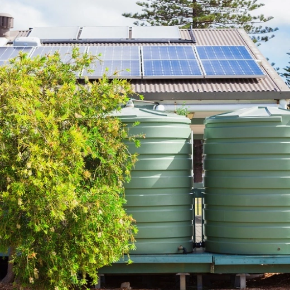
Brick construction can be an integral part of sustainable design due to its numerous eco-friendly properties. Firstly, bricks are typically made from natural materials such as clay or shale, reducing the environmental impact associated with extraction and processing. Additionally, brick buildings have excellent thermal mass properties, helping to regulate indoor temperatures and reduce the need for artificial heating and cooling. This can result in lower energy consumption and reduced carbon emissions over the lifetime of the building. Brick construction is also durable and long-lasting, requiring minimal maintenance compared to other building materials. This longevity reduces the need for frequent repairs and replacements, ultimately decreasing resource consumption and waste generation. Additionally, bricks can often be recycled or repurposed at the end of a building's life, further reducing its environmental footprint. In terms of design, brick construction offers flexibility and adaptability, allowing for innovative approaches to sustainable architecture. Incorporating features such as passive solar design, natural ventilation, and rainwater harvesting systems can enhance the sustainability of brick buildings, maximizing energy efficiency and minimizing resource consumption. Brick constructions use of natural recyclable materials and integration of sustainable design principles, architects and builders can create environmentally responsible structures that contribute to a more sustainable built environment.