


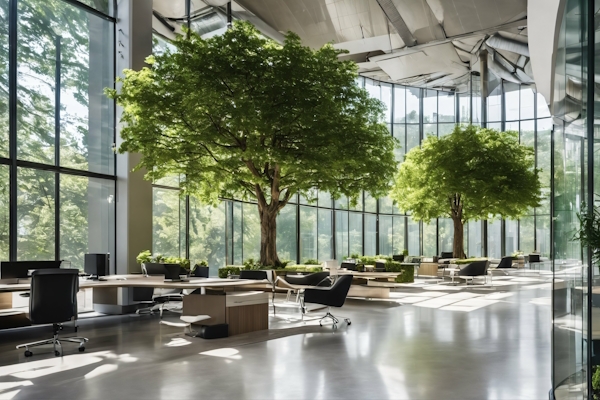
Sustainable furniture can shape healthier interiors by combining responsible material sourcing, lower emissions, and long-lasting design suited to the needs of schools, workplaces, and public environments.
Furniture plays a major role in the environmental footprint of interior spaces. Choosing products made from FSC-certified timber, recycled metals, responsibly sourced textiles, and low-impact finishes helps reduce embodied carbon while supporting more transparent supply chains.
Just as important is indoor air quality. Low-VOC adhesives, sealants, and surface finishes can significantly reduce the release of harmful chemicals into occupied environments, making furniture specification an important part of designing for health and wellbeing.
Durable, adaptable furniture also supports long-term sustainability. Pieces that are built to last, easy to maintain, and suitable for reconfiguration help reduce waste and extend product lifecycles across changing uses and fit-outs.
In schools, offices, healthcare and hospitality settings, sustainable furniture can contribute to spaces that feel better, function better, and align more closely with broader environmental goals.
