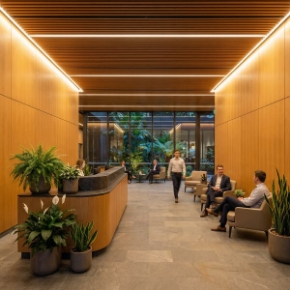
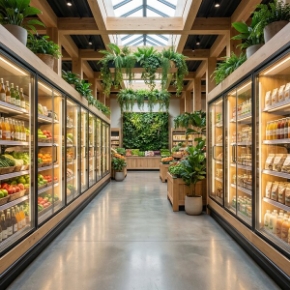
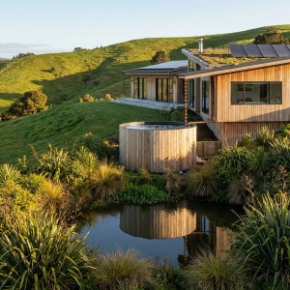
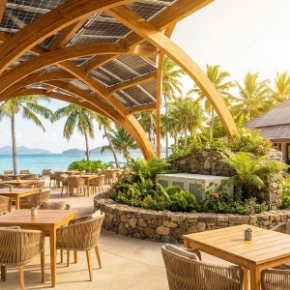
Floor surfacing defines much of the look, feel and acoustic character of interior spaces. Sustainable options draw on rapidly renewable materials, certified timber, bio-based resilient flooring and low-emission carpets and rugs. When combined with durable finishes and appropriate underlay or subfloor systems, these products provide comfortable, long-lived walking surfaces that support healthier, lower-impact interiors and biophilic design goals.
Floor surfacing materials carry structural loads, accommodate movement and shape acoustics and tactile experience underfoot. From timber and bamboo through to resilient planks, carpet tiles and rugs, each system brings different performance in terms of durability, impact sound and maintenance. Sustainable floor packages combine certified timber, bio-based or low-VOC resilient products, and low-emission textiles or finishes to create long-lasting, comfortable interiors that better support occupant health and environmental goals.
A selection of floor surfacing systems currently being evaluated for onboarding.
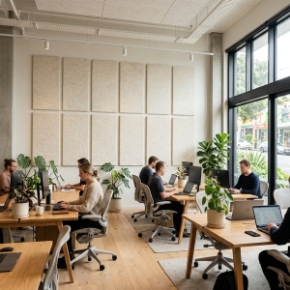
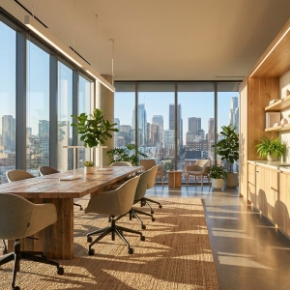
Sustainable furniture and furnishings for commercial interiors combine ergonomic performance with lower environmental impact. Solutions such as GECA-certified workstations, FSC-certified timber desks, recycled-aluminium task chairs, Cradle to Cradle seating systems, and EU Ecolabel office furniture can reduce embodied carbon, improve indoor air quality, support circular economy principles, and contribute to healthier, more productive workplaces.
Sustainable partition systems help shape flexible, efficient interior environments while supporting lower-impact construction. From demountable aluminium framing and compact laminate panels to bio-based boards and lightweight divider systems, partitions can improve space planning, acoustic separation and fire performance without the permanence of conventional walls. Modular and recyclable systems also support circular design principles by making spaces easier to adapt, reconfigure and upgrade over time.
Paint and coating systems protect and finish interior and exterior surfaces while strongly influencing indoor air quality and aesthetics. Sustainable options prioritise low or zero VOC content, breathable mineral binders and durable powder coatings that avoid added solvents. When paired with responsible manufacturing, takeback schemes and thoughtful colour design, these products support healthier spaces and longer-lasting wall and lining systems with reduced environmental impact.
Tiling provides robust, easy‑to‑clean surfaces for floors, walls and façades in residential, commercial and public settings. Porcelain and ceramic tiles offer high durability, stain and moisture resistance, and a wide range of formats and finishes for both indoor and outdoor use. When combined with verified environmental product data and responsible manufacturing, tile systems can contribute to long-lived, low-maintenance spaces with reduced life-cycle impacts.